
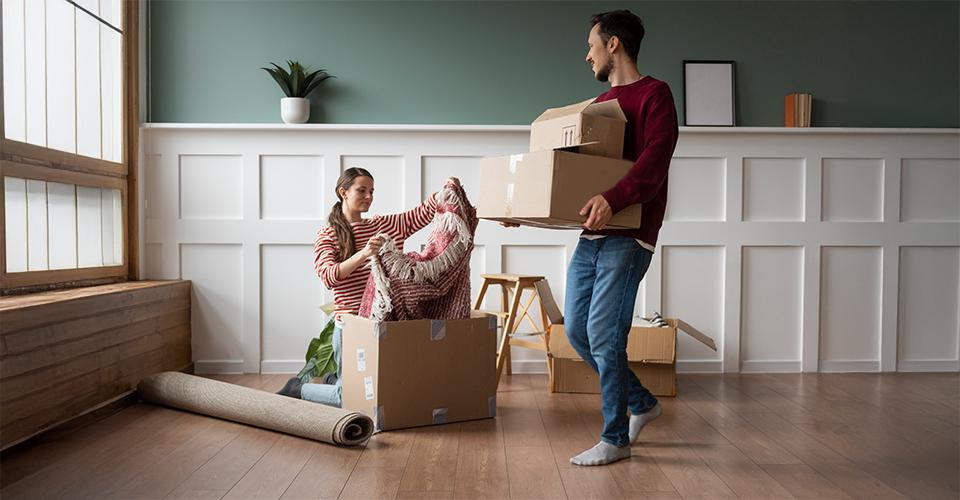
Packing is the part of moving everyone underestimates. People block off a weekend, open the kitchen cupboards, and realise three hours later they have wrapped four mugs and lost the will to continue. The work itself is not hard. The problem is doing it in the wrong order, with the wrong supplies, and no plan.
This guide walks through packing the way professional movers do it: a clear order, a few rules that prevent most damage, and a room-by-room plan so you always know what to touch next. Follow it and packing becomes a series of small jobs instead of one giant one.
Start with a plan, not a box
Before you wrap anything, do two things.
First, declutter. Every item you pack is an item you pay to move and then unpack. Go room by room and sort into keep, donate, and toss. A move is the cheapest time you will ever get to lighten your load.
Second, set an order. Pack the rooms you use least, first. Spare bedrooms, storage closets, the garage, off-season clothes, books, and decorations can all go into boxes weeks ahead. Leave the kitchen and your daily essentials for last. This keeps your home livable until the final days and stops you from unpacking boxes you already sealed.
Get the right supplies first
A half-packed move that runs out of tape at 9 p.m. is a miserable thing. Stock up before you start:
- Boxes in two or three sizes, or reusable plastic moving bins.
- Strong packing tape and a dispenser.
- Packing paper and bubble wrap for fragile items.
- A thick marker for labelling.
- Stretch wrap for furniture and drawers.
- Resealable bags for screws, cables, and small parts.
Reusable plastic bins are worth a mention. They stack better than cardboard, they do not collapse when wet, and you return them when you are done, so there is no flattened pile of boxes to deal with after the move.

The rules that prevent most damage
Movers follow a few habits that save broken plates and sore backs:
- Heavy items go in small boxes, light items in big boxes. A big box full of books is a box nobody can lift.
- Fill every box to the top. Gaps let things shift and crack. Pad empty space with paper or soft items.
- Label the side, not the top, with the room it belongs to and a note on the contents. You can read side labels when boxes are stacked.
- Mark fragile boxes clearly and keep them off the bottom of any stack.
- Tape the bottom of every box across the seam, then again the other way. A box that bursts open mid-carry is the fastest way to lose something.
Room by room
Kitchen
The kitchen takes the longest, so pace yourself. Wrap plates individually and stand them on edge like records, not stacked flat, which stops them cracking under pressure. Nest bowls with paper between each one. Wrap glasses and stems in paper and pack them upright in a divided box. Pots and pans can go together with paper between them. Empty, clean, and dry anything with liquid inside.
Bedrooms and closets
Clothes are easy. Hanging items can stay on their hangers inside a wardrobe box or a clean garbage bag pulled over the top. Fold the rest straight into suitcases and bins. Strip beds and pack the linens last so you have them on the first night. Keep one box of fresh sheets and towels separate and clearly marked.
Living room and electronics
Photograph the back of your TV and any cables before you unplug anything, so reconnecting takes minutes instead of guesswork. Pack electronics in their original boxes if you kept them. If not, wrap them well and pad the box. Coil cables, bag them, and label which device they belong to. Books go in small boxes, packed flat or spine down.
Bathroom
Toss expired products and half-empty bottles you will not miss. Seal anything liquid in a bag in case it leaks. Pack a separate bathroom essentials bag with toothbrushes, medication, toilet paper, and soap, because these are the first things you will want and the last you want to dig for.
Garage, basement, and odds and ends
These rooms hide the heaviest and most awkward items. Drain fuel from mowers and trimmers, as movers cannot transport flammable liquids. Coil hoses and cords. Keep tools together. Bag and label hardware from anything you take apart, then tape the bag to the item it came from.
What movers cannot take
Plan around a short list of items that moving companies will not load, for safety and legal reasons:
- Flammable or pressurised items: propane tanks, gasoline, paint, aerosols.
- Corrosive or hazardous chemicals: cleaning fluids, pool chemicals, fertiliser.
- Perishable food and open containers.
- Plants, in many cases, and certainly across long distances.
Use up, give away, or safely dispose of these before move day so nothing holds up the truck.
Pack a first-night box
The last thing to pack and the first thing off the truck. Put in chargers, medication, a change of clothes, basic toiletries, phone and laptop, a few tools, snacks, and anything your kids or pets need. After a long day, you do not want to open ten boxes looking for a phone charger.
When to let the pros handle it
Some moves are too big, too tight on time, or too full of fragile and heavy pieces to pack alone. That is where a packing service earns its cost. Movers pack faster, they know how to protect glassware and art, and they take on the liability for items they wrap.
FNS Mover (Fast and Safe) offers packing services across Hamilton and the rest of Ontario, for full homes or just the rooms you would rather not deal with. The team handles furniture, fragile items, boxes, and large goods, and supplies reusable plastic moving bins that make the whole job cleaner and quicker. With moving help available 24/7, you can pack on your schedule instead of the calendar’s.

Ready to move?
FNS Mover handles packing, residential, apartment, senior, and piano moves across Hamilton and all of Ontario, day or night. Get a quote and book your date before the month-end rush fills up.